
The Indian ride-hailing market, long dominated by a duopoly, is witnessing a paradigm shift. For years, the narrative was simple: drivers were gig-workers, and platforms were the gatekeepers of earnings. But what if the person behind the wheel also owned a piece of the company? This is not a futuristic fantasy; it is the reality being built by Bharat Taxi. As traditional business models face scrutiny over fair wages and surge pricing, a cooperative giant has emerged, promising not just rides, but ownership.
If you are a driver, a tech entrepreneur watching this space, or simply an investor intrigued by Bharat taxi investment in India, this guide is your roadmap. We will dissect the cooperative model, analyze its potential, and show you exactly how to become a part of this unique ecosystem. Welcome to the most detailed Bharat Taxi Investment Guide you will read this year.
The “Amul Moment” for Mobility: Understanding the Cooperative Disruption
Table of Contents
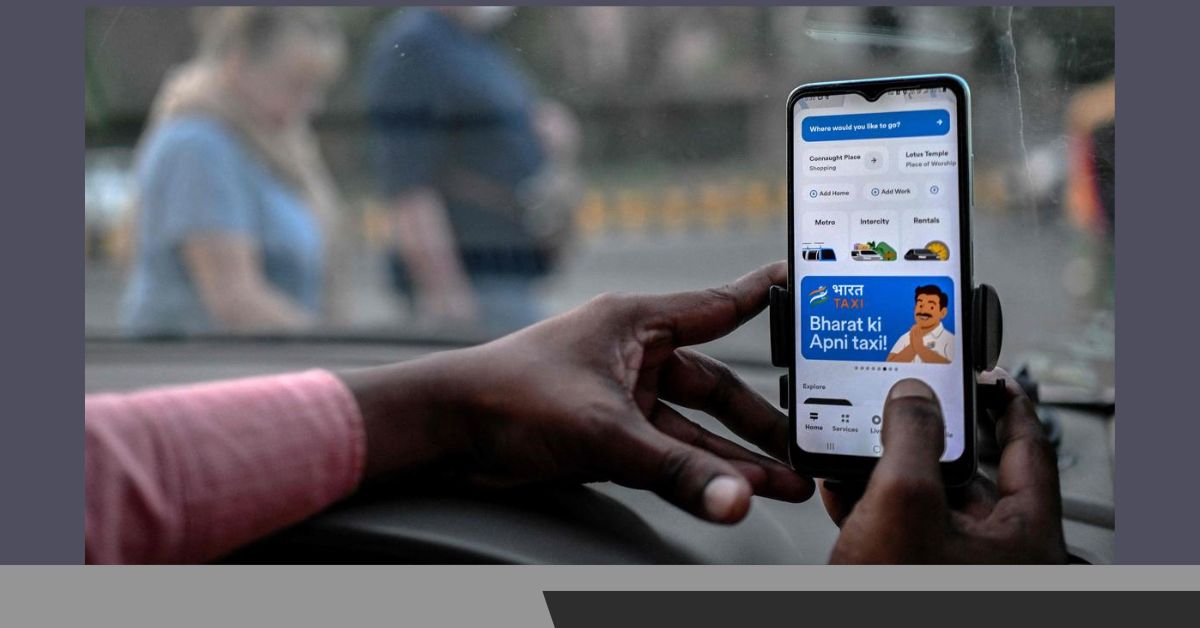
ToggleTo understand the value of this investment, we must first look at the architecture. Unlike private aggregators where profits flow to venture capitalists, Bharat Taxi operates as a multi-state cooperative society . This structure is revolutionary. It treats drivers—referred to as Sarathis—not as labor, but as owners. The model is often compared to Amul, where milk producers own the brand.
For the business-minded reader, this is a classic example of vertical integration of labor. By eliminating the commission-based model (which often ranges from 20-30% on other apps), Bharat Taxi ensures that the value generated stays within the community of drivers . The platform charges a nominal daily access fee or a small service charge at airport booths, but the fare paid by the customer largely goes directly to the Sarathi . This “zero-commission” structure is the bedrock of its appeal and a critical factor to consider in any Bharat taxi investment plan.
Also Read: How to Invest $20,000 in 2026 for Monthly Passive Income (Beginner Guide)
How to Invest in Bharat Taxi: The ₹500 Entry Point
One of the most compelling aspects of this platform is the ultra-low barrier to entry. Unlike stock market investments that require demat accounts and hefty capital, becoming a financial stakeholder in this cooperative is streamlined and accessible.
The Step-by-Step Process
So, how does a Sarathi actually become an owner? The process is entirely digital, reflecting the government’s push for a paperless economy. Here is the breakdown of how to invest in Bharat Taxi app:
-
Download the App: The journey begins by downloading the “Bharat Taxi Driver” app from the Google Play Store .
-
Registration and KYC: After mobile verification, the driver must complete their profile and upload essential documents. This includes their Aadhaar card, commercial driving license, vehicle registration certificate, and other permits . The platform integrates with DigiLocker, making verification seamless .
-
The Investment: Once the profile is verified, the driver is prompted to purchase cooperative shares. The minimum Bharat taxi investment is ₹500. This payment grants them membership in the Sahakar Taxi Cooperative Limited .
-
Activation: Post-investment and a final background verification, the driver is officially a co-owner and can start accepting rides .
More Than Just a Fee: What the ₹500 Buys You
This is not just a registration fee; it is equity. By paying this amount, the driver secures voting rights in the cooperative and a direct claim on future profits. The vision, as articulated by leaders, is that this ₹500 investment could be the seed for long-term wealth creation, much like the ₹50 contributions made by millions of women to build the Amul empire . For any business analyst, this creates a sticky, loyal supply of drivers—a massive competitive advantage.
Decoding the Bharat Taxi Share Price and Stock Name
A common question from traditional investors is regarding the Bharat taxi share price and its ticker symbol. It is crucial to clarify the unique nature of this asset.
Since Bharat Taxi is a cooperative society registered under the Multi-State Cooperative Societies Act, 2002, and not a publicly listed company, it does not have a Bharat taxi stock name on the BSE or NSE . You cannot buy shares of Bharat Taxi through a stockbroker like you would buy Reliance or TCS.
The “share” here refers to cooperative shares. Their value is not determined by market fluctuations but by the profitability and surplus generated by the cooperative. When you check the Bharat taxi investment share price, think of it as the book value of your membership, which could appreciate as the cooperative’s assets grow.
The Wealth Creation Engine: The Profit-Sharing Math
This is the heart of the Bharat taxi investment plan. For three years, the focus is on scaling. However, the real magic begins after this initial period.
Union Minister Amit Shah outlined a transparent profit-sharing model to illustrate the potential . Imagine after three years, Bharat Taxi generates a net profit of ₹25 crore.
-
20% Reinvestment: ₹5 crore (20%) will be retained in the cooperative’s account as capital. This strengthens the balance sheet and funds future expansion.
-
80% Distribution: The remaining ₹20 crore (80%) will be distributed directly among the driver-owners.
This distribution is not arbitrary; it is based on performance metrics, primarily the distance driven on the platform . This means a driver who is more active and provides more service to the community gets a larger share of the surplus. It is a perfect alignment of incentives: the harder you work for the cooperative, the higher your dividend.
Why Business Minds Are Watching Bharat Taxi
From a strategic standpoint, Bharat taxi investment in India represents a shift toward “platform cooperativism.” For business leaders and tech bloggers (like us at BlogTech), this model solves two critical pain points prevalent in the gig economy:
-
Driver Attrition: Private players spend crores on driver incentives to retain them. Bharat Taxi replaces short-term incentives with long-term ownership. Once a driver has invested and holds a share of future profits, their loyalty to the platform increases naturally.
-
Regulatory Safety: With governments worldwide scrutinizing aggregator models for labor rights violations, a cooperative model is inherently compliant. It treats workers as partners, insulating it from future regulatory headwinds.
BlogTech believes this hybrid model—combining technology with cooperative governance—could be the blueprint for future marketplaces in India.
How to Check Authenticity and Track Growth
For any potential investor or Sarathi, verification is key. You should always refer to the Bharat Taxi official website and government press releases for authentic information. The platform is backed by major institutions like the National Cooperative Development Corporation (NCDC), Amul, and NABARD, which lends it immense credibility .
Furthermore, the Ministry of Cooperation regularly updates the performance metrics. As of early 2026, the platform had already registered nearly 10 lakh users and over 3 lakh drivers, completing lakhs of rides . This rapid adoption validates the demand for a driver-owned alternative.
Addressing the Ground Realities
A balanced Bharat Taxi Investment Guide must also address the challenges. Early reports from pilots in Delhi-NCR and Gujarat indicated some teething issues, such as lower-than-expected ride volumes for some drivers and operational queues at airport booths .
However, these are classic growing pains of a two-sided marketplace. The demand side (passengers) needs to grow to match the supply side (drivers). The government’s push to integrate Bharat Taxi with Delhi Metro stations and airport prepaid booths is a direct strategy to solve this . For the investor (driver), patience during the initial “nurturing” phase is essential, as the real financial upside is structured to kick in after the three-year mark .
Also Read: How to Invest in Index Funds: A Complete Guide
Conclusion
The Bharat Taxi initiative is more than just another app on a smartphone; it is a socio-economic experiment with the potential to redefine labor rights in the digital age. For drivers, the question is no longer just “How much will I earn today?” but “How much will my company grow by the year-end?”
By investing ₹500, a Sarathi transitions from being a cog in a machine to a co-owner of the engine. Whether you are a driver considering this path or a business enthusiast analyzing disruption, keep a close watch on this space. The wheels of this cooperative are just beginning to turn.
Frequently Asked Questions (FAQs)
1. I am a regular passenger. Can I also invest in Bharat Taxi and get a share of the profits?
Currently, the Bharat taxi investment model is specifically designed for driver-partners, known as Sarathis. The cooperative structure is built around the principle that those who provide the service (the drivers) should be the primary owners and beneficiaries of the profit. It is not open for general public investment like a listed company stock. However, you can support the cooperative by using the app for your rides, which indirectly helps the driver-owners.
2. If I invest ₹500, is my money at risk if Bharat Taxi shuts down?
As with any business venture, there are inherent risks. However, the risk profile here differs from a private startup. Bharat Taxi is backed by the Ministry of Cooperation and promoted by eight national-level cooperative institutions . This governmental and institutional backing provides a layer of stability. The ₹500 is a share capital contribution to the cooperative. If the cooperative were to wind up, its assets would be liquidated and distributed to members, though the process would be governed by cooperative society rules, not stock market regulations.
3. How does the “zero commission” model work if the company needs to make a profit?
This is a great question. Bharat Taxi does not take a percentage cut from each ride’s fare. Instead, its operational revenue comes from nominal sources like a fixed daily access fee from drivers (similar to a subscription) or a small service charge on rides booked through physical booths at airports . The profit mentioned in the ₹25 crore example is the surplus generated by the cooperative after covering its operational costs. Because the cooperative owns the tech platform and manages the brand, this surplus belongs to the driver-members, not external shareholders.
4. What is the official Bharat Taxi stock name to buy on the stock market?
There is no Bharat taxi stock name listed on the National Stock Exchange (NSE) or Bombay Stock Exchange (BSE). The entity is a cooperative society, not a publicly traded corporation. Therefore, you cannot buy shares of Bharat Taxi through a demat account or trading app like Zerodha or Groww. The only way to acquire a financial stake is to become a registered driver (Sarathi) and purchase the cooperative membership shares.
5. Can I invest more than ₹500 to get a larger share of the profit?
The information currently available from official launches and news reports highlights the ₹500 entry-level investment to become a member . The cooperative’s governance structure may allow for different classes of share capital or additional contributions over time. However, it is important to note that profit distribution is not solely based on the amount invested; it is heavily weighted by performance (kilometers driven) to ensure that active drivers are rewarded for their work . For specific details on investment tiers, one would need to refer to the bylaws of the Sahakar Taxi Cooperative Limited or contact their support via the Bharat Taxi official website.